Hunter Water has reported its highest April water demand since 2006, with residential consumption reaching 3.7 billion litres. The increase in usage coincides with regional drinking water storages falling to approximately 62 per cent, the lowest level recorded in more than five years.
Current residential usage averages 189 litres per person per day, a significant increase from the typical April average of 163 litres. Above-average temperatures and a lack of replenishing rainfall in the catchment areas have driven the demand, with total consumption exceeding the monthly average by 500 million litres.
Executive Manager Strategy and Engagement at Hunter Water, Emma Berry said the record usage highlights the necessity for immediate conservation efforts.
“We can’t control the weather, but we can control how much water we use. Every day is a good day to save water, and right now it’s more important than ever,” Emma said.
The Bureau of Meteorology long-range forecasts suggest that warmer and drier conditions will persist, potentially placing further pressure on water storages. Despite recent coastal rainfall, Hunter Water reports that catchment soils remain dry, preventing significant runoff into the dam systems.
Emma said that without a shift in community consumption, the region could face formal water restrictions by winter.
“While any rainfall is welcome, recent falls have been isolated and mainly along the coastal fringe, which hasn’t had a significant or lasting impact on our dam levels. Our catchments remain very dry, which means not all rainfall turns into runoff that refills our storages,” Emma said.
Hunter Water is advocating for a range of “Smart Water Choices” to mitigate the risk of drought conditions. Recommended actions include reducing shower times, limiting garden irrigation to before 10am or after 4pm, and ensuring all leaks are repaired promptly to prevent waste.
“Now more than ever, we need everyone to make Smart Water Choices around their homes and businesses,” Emma said.
The utility will continue to monitor evaporation rates and dam levels as part of its regional water supply management strategy. Households and businesses are encouraged to implement efficiency measures immediately to assist in preserving the region’s remaining drinking water reserves.
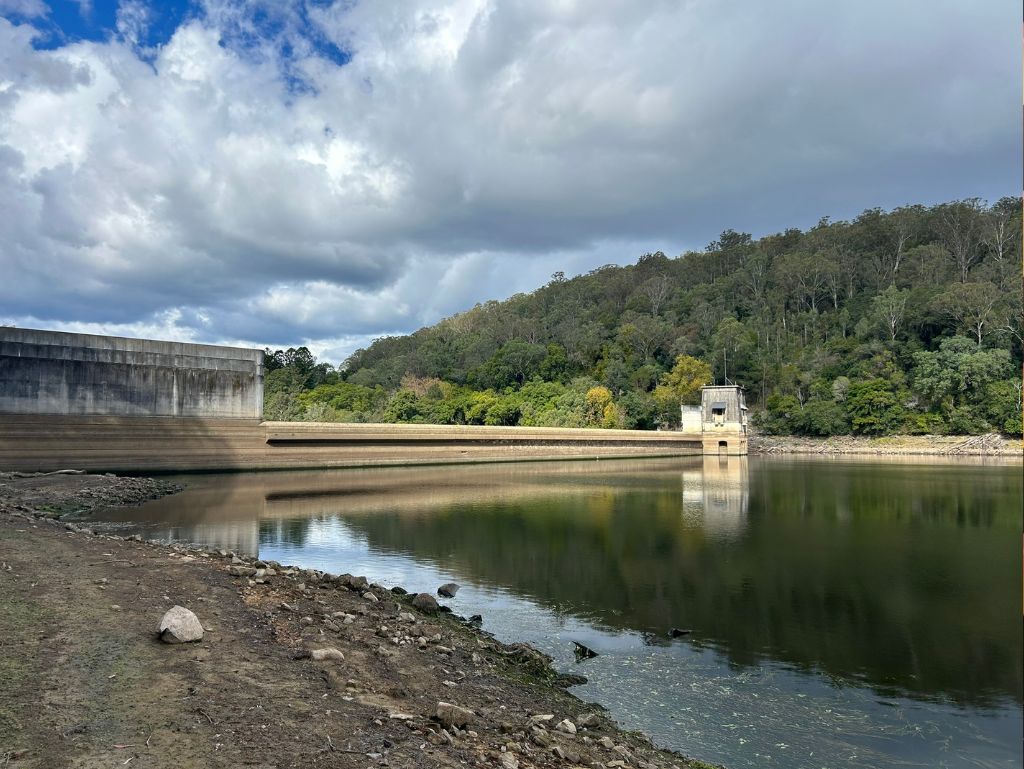
IMAGE | Lower Hunter records highest April water usage in 20 years as dam levels decline