The Property Council of Australia has endorsed the strategic release of state planning frameworks designed to transform decommissioned mining buffer zones at Mt Arthur and the Macquarie Coal Complex into large-scale industrial and employment precincts. The draft master plans outline a high-yield pathway to convert legacy energy infrastructure assets into commercial logistics, manufacturing, and clean energy production zones to anchor regional economic diversification.
The proposed land reclamation represents one of the most substantial tranches of industrial property activation in regional Australia. The frameworks identify approximately 950 hectares of priority developable land earmarked for early-stage activation at the Mt Arthur site near Muswellbrook, alongside a minimum of 500 hectares of commercial footprint capacity within the Macquarie Coal Complex perimeter.
Strategic layout projections indicate the combined industrial precincts have the structural capacity to absorb more than 7,000 future jobs, generating deep commercial capital inflows across the high-yield logistics, advanced manufacturing, and renewable energy sectors.
Regional Director of the Property Council Hunter and Central Coast, Stephen Crowe noted that executing large-scale asset repurposing projects forms a critical buffer for the state’s post-carbon economic transition.
“The Hunter has powered the state’s economy for generations, and these plans show how former mining land can continue to create jobs and investment long after mining operations have ceased. More than 7,000 potential jobs, hundreds of hectares of employment land and opportunities across advanced manufacturing, renewable energy, logistics and warehousing represent exactly the type of economic diversification the Hunter needs,” Stephen said.
The spatial intervention aligns with the Property Council’s broader commercial lobbying priorities, which urge state and local governments to unlock constrained employment land banks by establishing accelerated catalyst precincts on former heavy industrial footprints.
Stephen added that transforming these high-level frameworks into active construction sites relies on streamlined statutory planning processes and targeted sovereign risk mitigation to attract institutional private equity.
“The next challenge is translating these plans into real jobs, real investment and real projects on the ground – including a clear role for government in attracting the private capital needed to make these precincts a reality,” Stephen said.
“Businesses and communities want to see certainty around delivery, infrastructure investment, planning approvals, targeted investment attraction and a sensible approach to remediating land, particularly where its future use is earmarked for industrial activity.”
The property peak body emphasises that large-scale industrial zoning expansions must be synchronised with regional residential development pipelines. To optimise worker retention and minimise transport network friction, the Property Council is pushing for concurrent greenfield residential releases across the Hunter’s fastest-growing Local Government Areas (LGAs) – specifically targeting the Cessnock, Maitland, and Lake Macquarie municipal perimeters.
“Unlocking employment land is critical, but it needs to come with more investment in housing, transport connections and enabling infrastructure. The housing focus must be on the Hunter’s fastest-growing LGAs – Cessnock, Maitland and Lake Macquarie – where further greenfield development has huge potential if managed and resourced well. If we’re creating new industrial precincts, we also need to give workers the chance to live nearby, move efficiently across the region and access the jobs being created,” Stephen said.
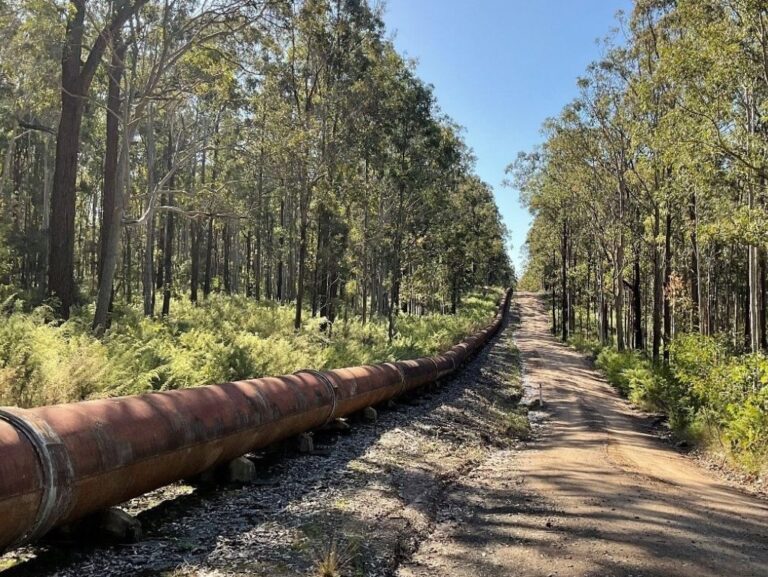
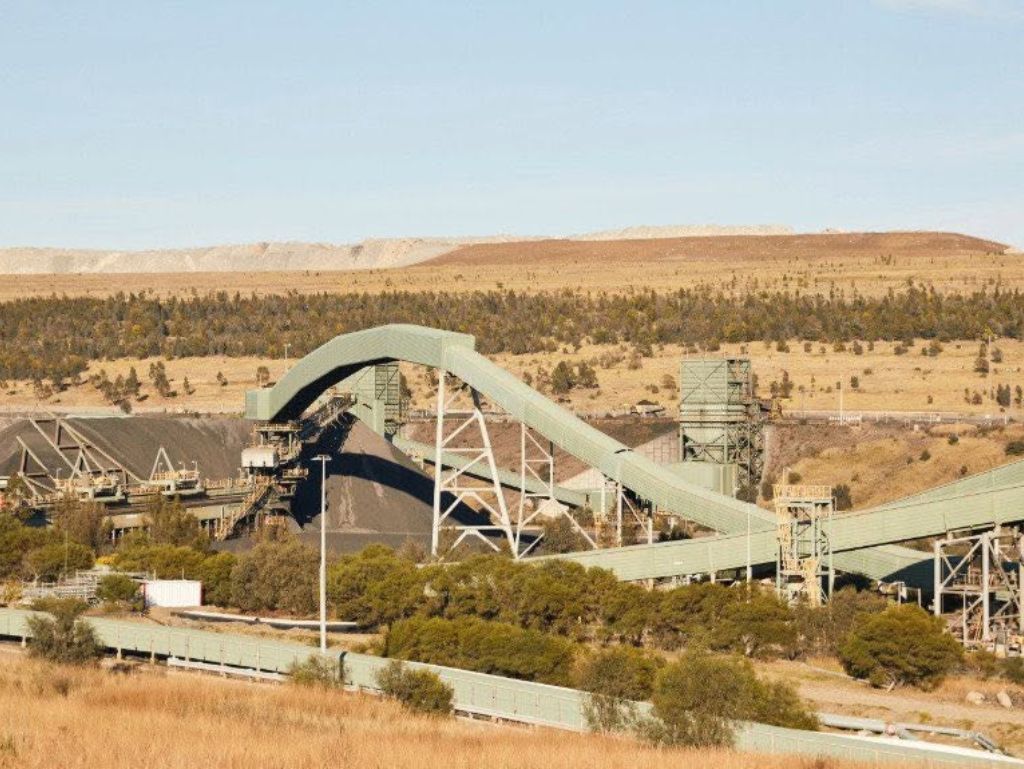
IMAGE | Property Council of Australia backs draft rezoning blueprints targeting 1,450 hectares of Hunter mining land for industrial hubs