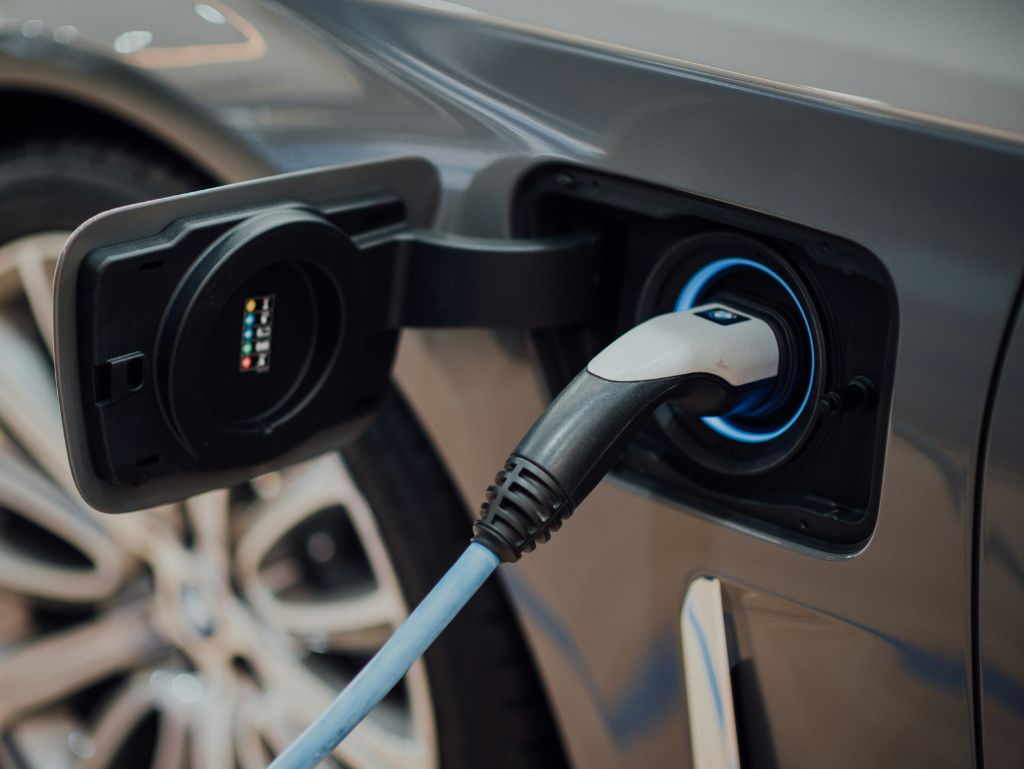
Hunter Valley wine and hospitality operators face shifting infrastructure demands following new national automotive data confirming that electric vehicles now account for more than one in three new passenger car sales in Australia. To address this evolving logistical shift, transport technology firm ivygo has partnered with the Hunter Valley Wine & Tourism Association to deliver a strategic regional industry brief titled Charge the Hunter.
The infrastructure initiative responds directly to a rapid structural shift within the national domestic transit grid. Federal registration data reveals that battery electric and plug-in hybrid vehicle segments rose from approximately 16 per cent of new sales in June 2025 to 29.6 per cent by May 2026, before reaching a historic 35.8 per cent share in June 2026.
The scale of this transition carries deep commercial implications for the Hunter Valley visitor economy, which attracts 1.6 million annual visitors, of whom an estimated 90 per cent arrive via private vehicle transport.
Founder and Chief Executive Officer of ivygo, Julie Perrissel noted that localised destination charging capability is rapidly transitioning from a premium novelty into a core baseline consumer expectation.
“These figures show Australia’s EV transition is accelerating faster than many people realise. The vehicles Australians are buying today will increasingly be travelling to destinations like the Hunter Valley for weekends away, wine tasting and overnight stays,” Julie said.
“Destination charging is becoming part of the visitor experience. Businesses don’t need to make immediate investment decisions, but they do need to understand how visitor expectations are changing so they can plan with confidence. That’s exactly why we’re bringing the industry together through Charge the Hunter.”
The collaborative seminar focuses on lowering commercial risk for local operators by exploring state co-funding mechanisms, identifying shifting consumer dwelling times, and providing data-led models for wineries, restaurants, and accommodation assets.
Chief Executive Officer of the Hunter Valley Wine & Tourism Association, Jennie Curran stated that long-term regional competitiveness relies on proactive alignment with national sustainability indicators and consumer travel frameworks.
“The Hunter Valley has always evolved alongside the needs of our visitors, and the growth of electric vehicles is another important evolution in the way people travel. This is a valuable opportunity for local tourism operators to hear from industry experts, understand what’s changing nationally and consider what it could mean for their own business and for the future of the Hunter Valley visitor economy,” Jennie said.
The strategic cross-sector panel brings together policy directors, regional tourism strategists, and EV sector leaders to outline practical compliance and commercial strategies. The speaker panel features:
- Jennie Curran – General Manager, Hunter Valley Wine & Tourism Association
- Dan Wigmore – NSW Department of Climate Change, Energy, the Environment and Water (DCCEEW)
- Felicity Stevens – Founder, Sustainable Hosting
- Julie Perrissel – Founder and Chief Executive Officer, ivygo
The fully subsidised industry education brief will take place on Tuesday 14 July 2026 from 3:00pm to 4:30pm at Adina Vineyard & Olive Grove, situated in Lovedale. While attendance is free for regional business operators, registrations are mandatory and can be processed digitally via the Humanitix event ticketing platform.
IMAGE | Regional tourism infrastructure strategy pivots as national electric vehicle adoption surpasses 35 per cent