Maitland City Council has formally adopted its Disability Inclusion Action Plan (DIAP) 2026-2030, establishing a four-year civic framework to optimise urban accessibility and cross-sector social inclusion. The strategic roadmap was shaped by more than 500 public submissions from local stakeholders, families, and healthcare carers, targeting the removal of systemic infrastructural barriers across the local government area.
The policy implementation arrives as regional demographics indicate that the proportion of Maitland residents living with a disability sits above the New South Wales local government average.
The data-driven plan outlines specific operational mandates to upgrade existing community facilities, integrate adaptive engineering principles into future transport networks, and expand diverse workforce entry paths within municipal operations.
Coordinator of Community and Recreation Planning at Maitland City Council, Whitney Williams noted that institutional policy must reflect the lived experience and day-to-day logistical realities of the community.
“Through our consultation, people told us that barriers still exist when accessing public spaces, finding employment, navigating information and using everyday services,” Whitney said.
“This plan outlines practical actions that will help people with disability participate more fully in community life, whether that’s attending an event, accessing a Council service, finding employment or moving around our city with confidence and independence.”
The DIAP framework mandates that universal design standards be incorporated into the initial procurement and engineering phases of all future civil works rather than being retrofitted. Additionally, the plan establishes foundational datasets that will directly inform the development of Maitland’s inaugural Social Strategy to address long-term regional wellbeing metrics.
Whitney emphasised that building accessible regional hubs relies on structural alignment between public administrators and private commercial operators.
“Accessibility should be considered from the beginning, not as an afterthought. It needs to be embedded in how we design public spaces, deliver services, plan events and communicate with our community,” Whitney said.
“Creating a genuinely inclusive Maitland is a shared responsibility and requires collaboration between Council, businesses, community organisations, government agencies and residents.”
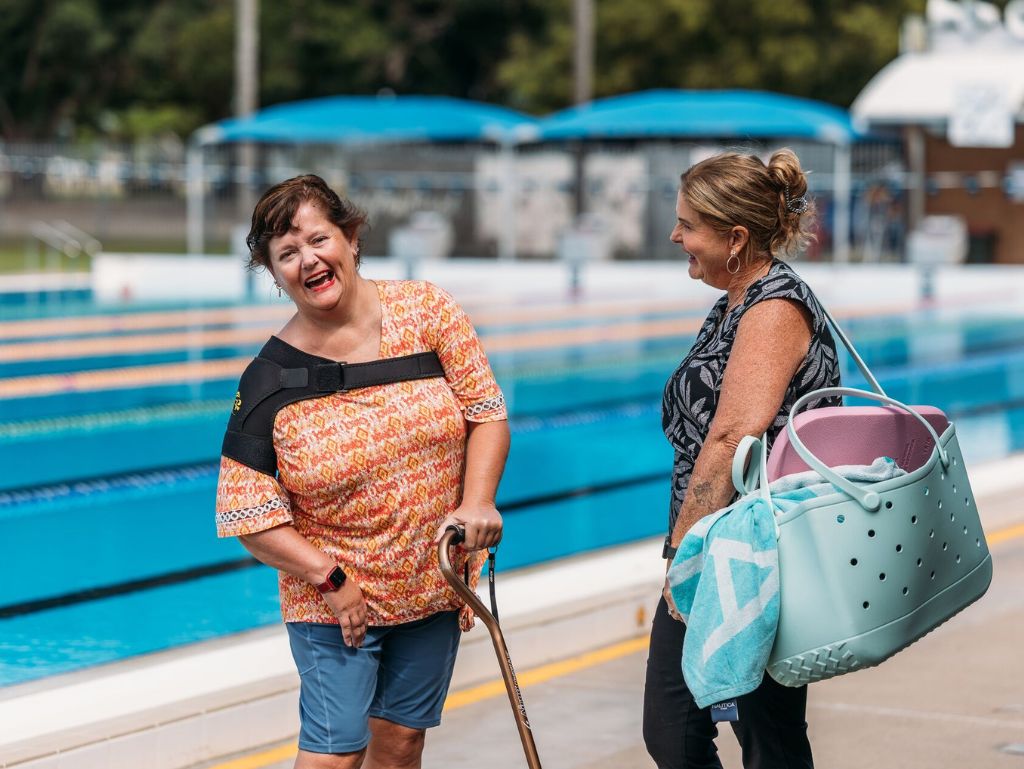
IMAGE | Maitland City Council adopts Disability Inclusion Action Plan to guide urban and economic development